Silk screen
One to four spot colours pushed through a mesh screen. It suits a straight body panel in a solid Pantone, and it holds the lowest cost per piece from 1,000 up.
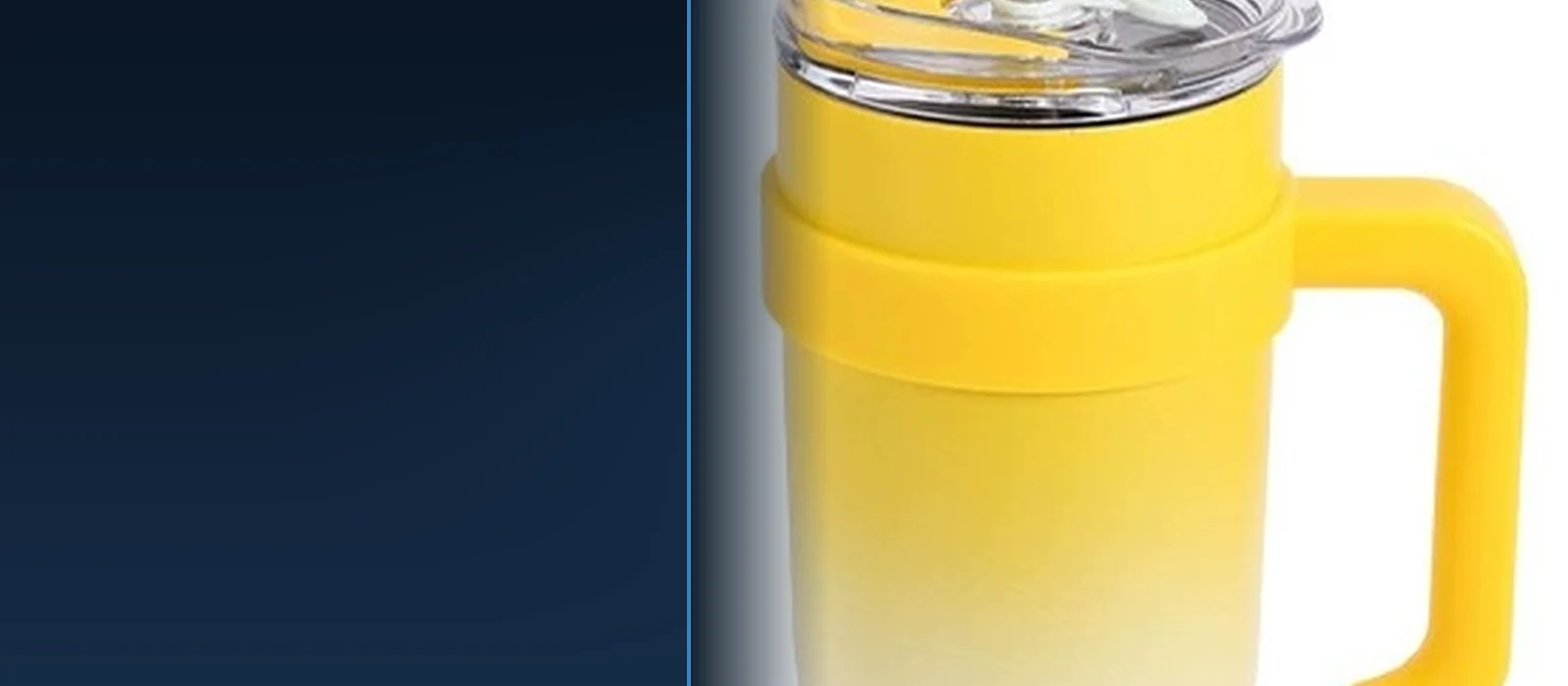
Choosing a custom water bottle with logo printing starts with the artwork, not with the mould. Send vector paths and a Pantone reference, name the body and the lid, and we proof the position on a flat template, then on a photograph of the real bottle. Silk screen, pad print, laser engraving, UV print and transfers all run here, from 500 pieces.
A logo file needs three things before a plate or a laser file can be made: vector paths, a Pantone number per colour and the position on the bottle. AI, EPS or PDF with fonts outlined is what we cut from. We set the logo at actual size on a flat template, then send a photograph of it on a real body from the shoulder down, because a mark that reads well flat can lose its gap where the body curves.
A print survives handling because the ink is cured into the surface rather than resting on it. UV ink is cured under a lamp, a heat-transfer film is pressed into the powder coat, and laser engraving removes the coat to leave bare steel, so there is no film to lift. We run a printed bottle through a top-rack dish cycle before the carton closes.
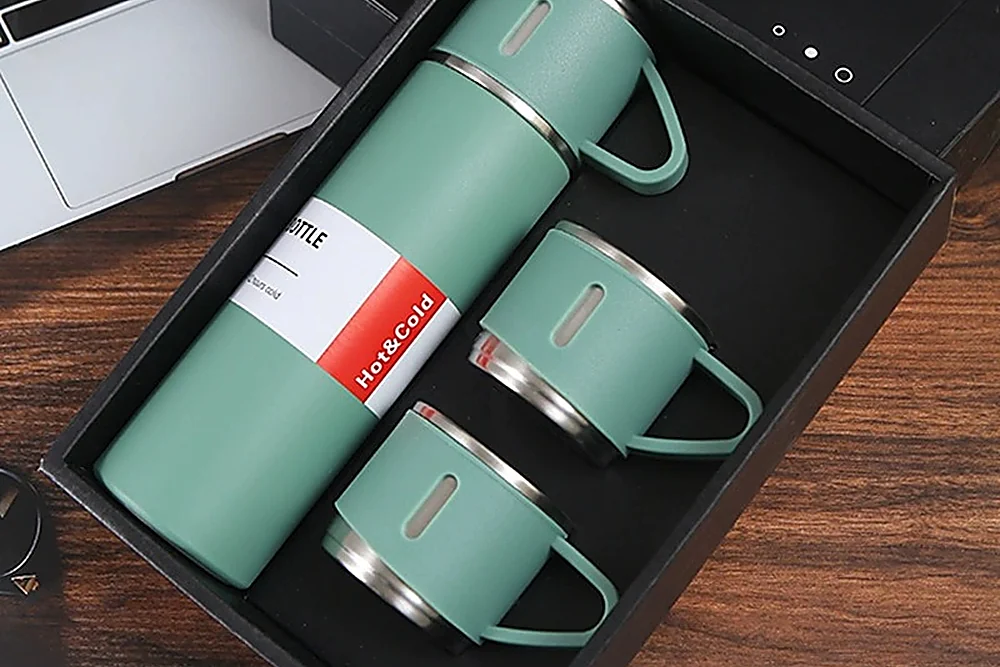
The body finish and the colour count pick the method; the artwork then decides the rest.
One to four spot colours pushed through a mesh screen. It suits a straight body panel in a solid Pantone, and it holds the lowest cost per piece from 1,000 up.
A digital head prints straight onto the coat in full colour, so a gradient or a photograph needs no plate and a short run stays economical.
A fibre laser cuts the powder coat back to bare steel. One colour by definition, permanent, and it adds nothing to the surface that could lift.
Set-up is paid once per artwork; the per-piece figure is what shows up in the quotation. Minimums are per decoration run, not per body style.
Set-up is fixed, so it divides down as the order grows: a US$120 plate is 24 cents a piece across 500 bottles and four cents across 3,000. A first order at 500 pieces is usually served best by the method with the lowest set-up, even when its per-piece rate is higher. A pad plate at US$40–90 beats a US$250 transfer film before a single bottle is printed.
The per-piece rate then follows cycle time rather than ink cost. Laser engraving carries no plate, but the head traces every mark, so it is slow on a large logo. UV print has a set-up but no plate, which makes it the only sensible route for a gradient or a fifth colour. Minimums follow the carrier: a plate starts at 500 pieces, a transfer film or a patch mould at 1,000.
Heat transfer and water transfer both carry a full-colour image onto a curved body, and the difference is the carrier: a transfer film is pressed on with heat, while a water transfer floats the ink off its film and wraps it around the shape. A debossed silicone patch is moulded into the sleeve or bonded to the body, which gives a raised mark on a soft bottle that print cannot hold.
Placement is the limit that surprises buyers. Silk screen holds one to four spot colours inside a print area that runs between the shoulder radius and the base radius. A wrap covers the full circumference but cannot climb the shoulder curve cleanly, a laser mark needs flat powder coat, and lids, threads and the inside of the neck stay unprinted.
Four recent programmes, all produced on bodies that were already in the range.
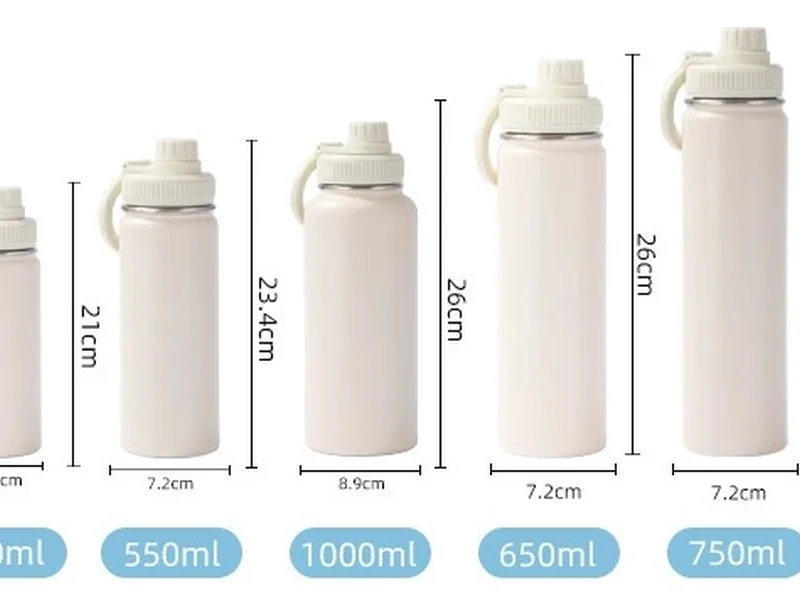
Four heights, one print area
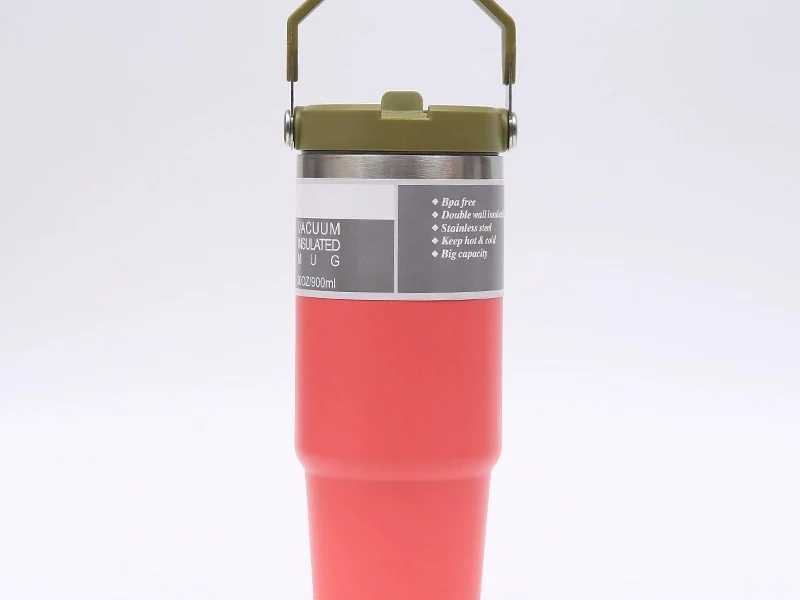
UV print wraps the full circumference
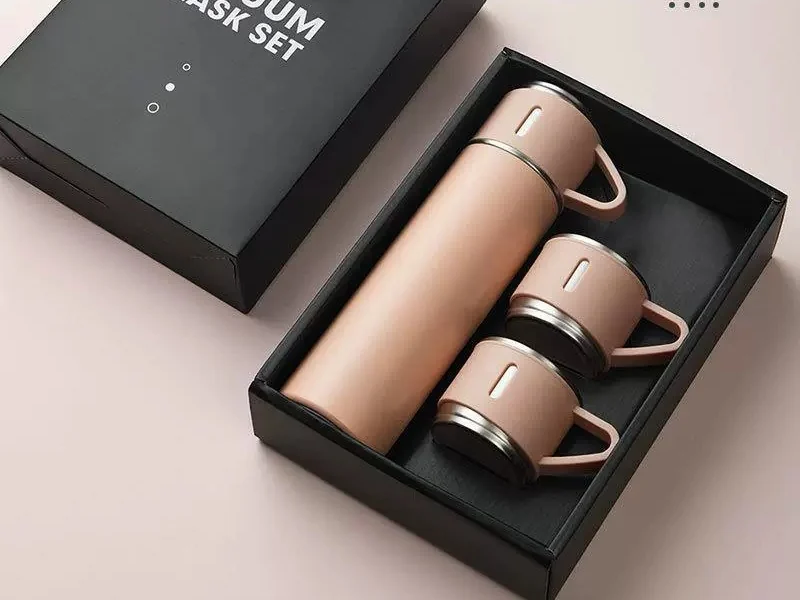
Laser mark on the body, print on the box
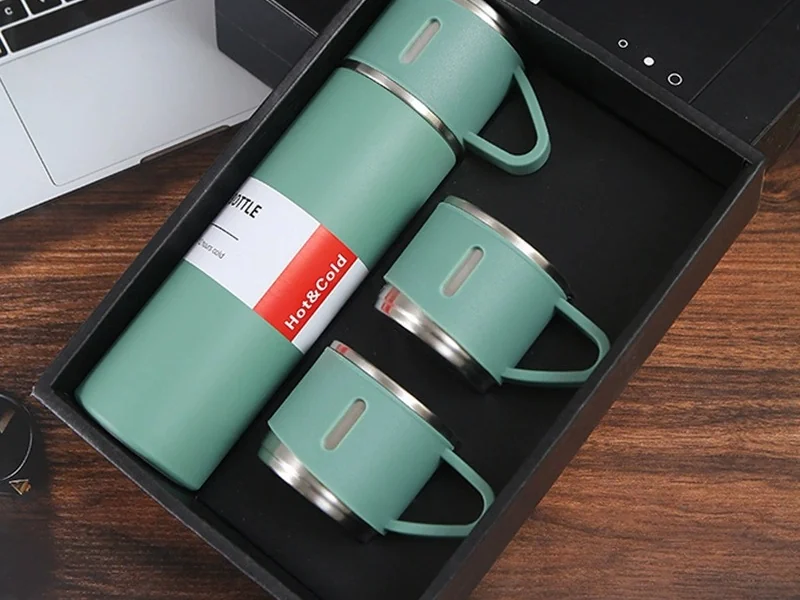
Silk screen kept clear of the shoulder curve
Silicone bodies, Pantone matching, lid decoration and what a proof really shows.
Send your specification, quantity and target market. We reply with a quotation, a sampling date and the carton count within 12 working hours.