Water Bottle Materials: Steel Grades, Silicone, PP and Tritan

A bottle is only as good as the body it is drawn from. This page compares the five bodies we make: 304 and 316/316L stainless, food-grade silicone, PP and Tritan, plus the silicone gasket and PP thread inside the lid. Each grade carries FDA 21 CFR 177 and LFGB declarations, MOQ is 500 pieces per style, and sampling takes 7 to 10 days.

Grade selection

Five bodies, two lid parts, one decision sheet

Weight and price follow the body, not the print. A 500 ml double-wall steel bottle leaves the line at about 280 g; the same capacity in PP is under 100 g, and a 650 ml silicone body folds to a third of its height. We draw and weld 304 and 316/316L in Dongguan and mould silicone on the same site, so all four routes are quoted against one carton and one freight lane.

Match the grade to the liquid and to the market. Plain water on a desk is 304 work; electrolyte tablets, citrus or a coastal market point to 316/316L, where 2–3% molybdenum resists chloride pitting. A bottle that has to flatten into a bag is silicone, and a clear bottle that shows a printed sleeve is Tritan. The band runs US$2.63 to US$8.70 per piece, FOB Shenzhen or Yantian.

  • MOQ 500 pcs per style, 1,000 pcs for a custom Pantone
  • Sampling in 7–10 days, stock samples in 3–5 days
  • FDA 21 CFR 177, LFGB and REACH declarations per grade
Request a material sheet
Steel bottle bodies on a rack beside silicone and PP samples
Material families

Four routes through the same plant

Choose by what the bottle holds and where it is sold, not by the price of the resin.

304 and 316/316L steel

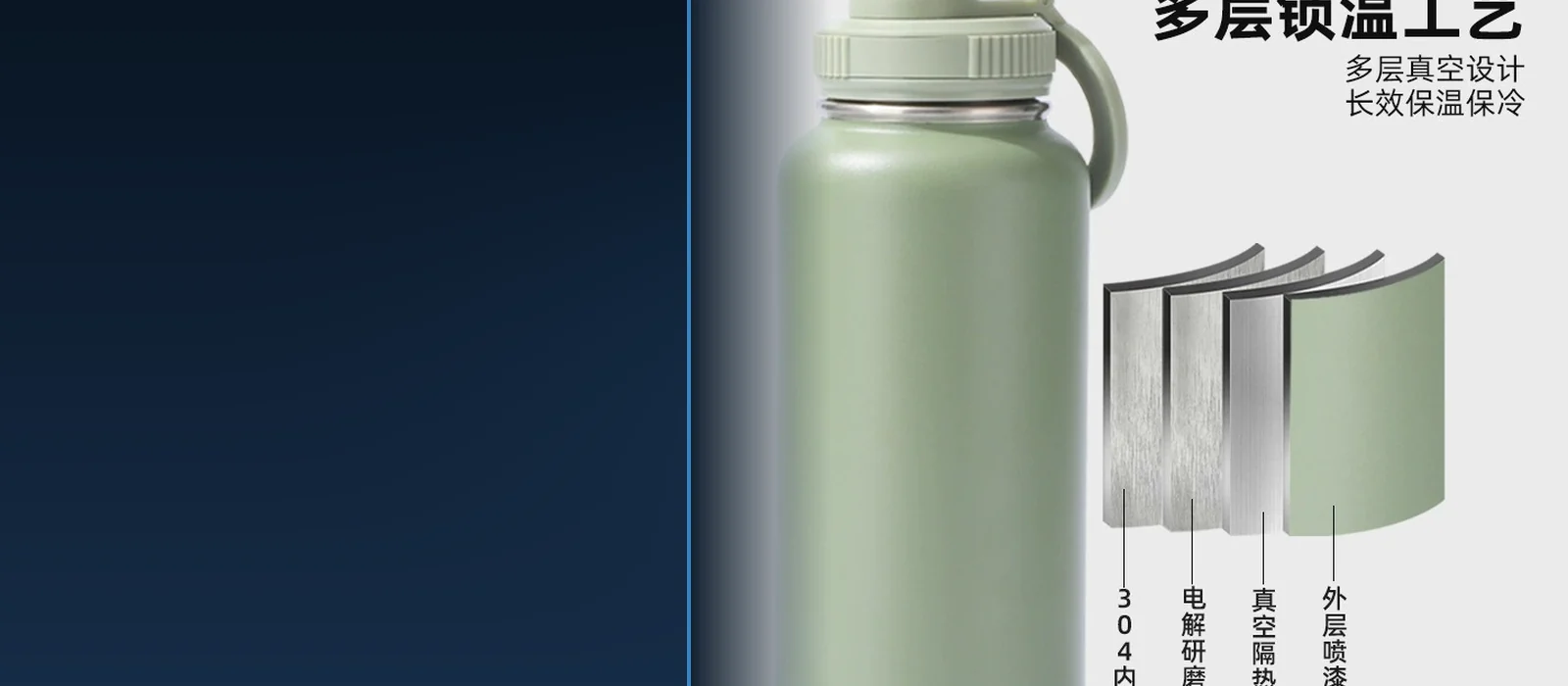
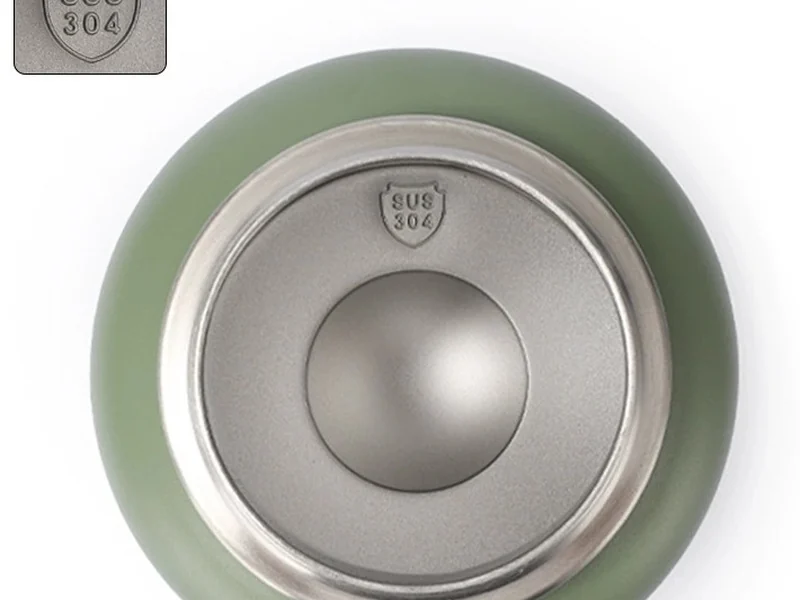
304 is 18/8 stainless: 18% chromium with 8% nickel. 316/316L lifts nickel to 10–14% and adds 2–3% molybdenum for salt and acid.
Food-grade silicone

Rated −40 to 230 °C, platinum-cured, no plasticiser. Collapsible bodies, grips, bite valves and lid gaskets come from this grade.

PP and Tritan

PP is BPA-free, microwave-safe and not rated for boiling. Tritan is a BPA-free copolyester that keeps its clarity through a gym season.

Gasket and thread

A 60–70 Shore A silicone gasket seated in a PP 400-series thread holds the seal; both are replaceable parts, never glued in.

Comparison table

Water bottle materials, grade by grade

One row per grade. Body weights are typical for a production unit at the stated capacity and move with wall thickness.

304 stainless (18/8)
Chromium 18%, nickel 8%, no molybdenum · use: plain water, retail and promotional bottles · dishwasher: top rack · weight: 280 g at 500 ml
316 / 316L stainless
Chromium 16–18%, nickel 10–14%, molybdenum 2–3% · use: salt, citrus and electrolyte drinks · dishwasher: top rack · weight: 290 g at 500 ml
Food-grade silicone
Rated −40 to 230 °C, platinum-cured · use: collapsible bodies, grips and bite valves · dishwasher: top rack · weight: 150 g at 650 ml
PP (polypropylene)
BPA-free, microwave-safe, not rated for boiling water · use: squeeze bodies, caps and threads · dishwasher: top rack · weight: 95 g at 500 ml
Tritan copolyester
BPA-free, clear, impact-resistant · use: gym and kids bottles that carry print · dishwasher: top rack on short cycles · weight: 140 g at 750 ml
Silicone lid gasket
60–70 Shore A, removable · use: seals every screw and flip lid · cleaning: lifts out and rinses clean · weight: 2–4 g
PP 400-series thread
28/410 to 89/400 callouts · use: lid fit and cap torque · cleaning: rinse with the cap off · weight: 18–45 g per cap
Grades in production

Material work from the two workshops

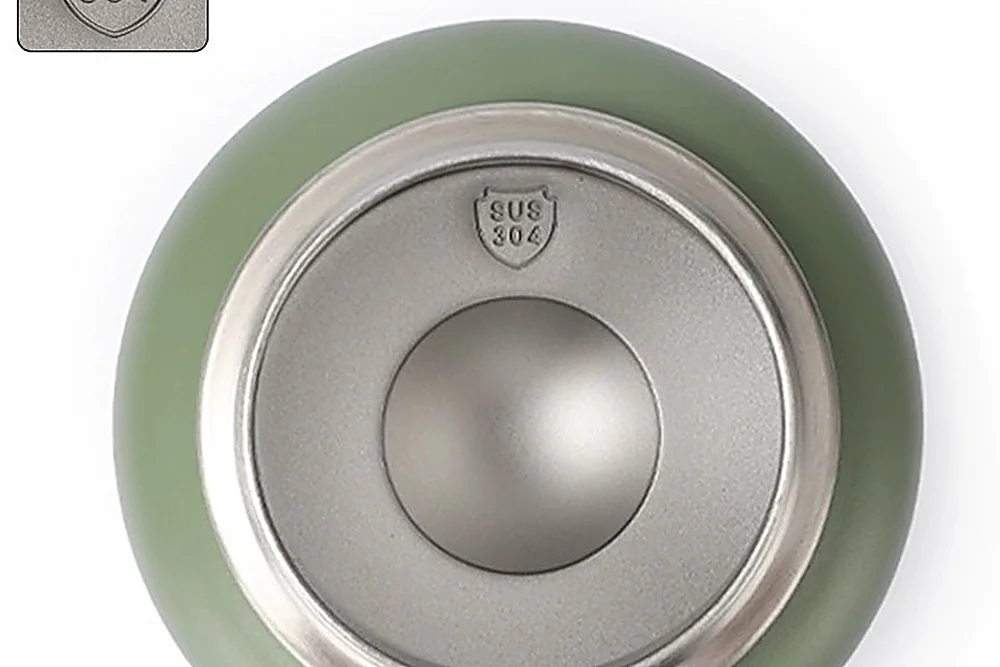
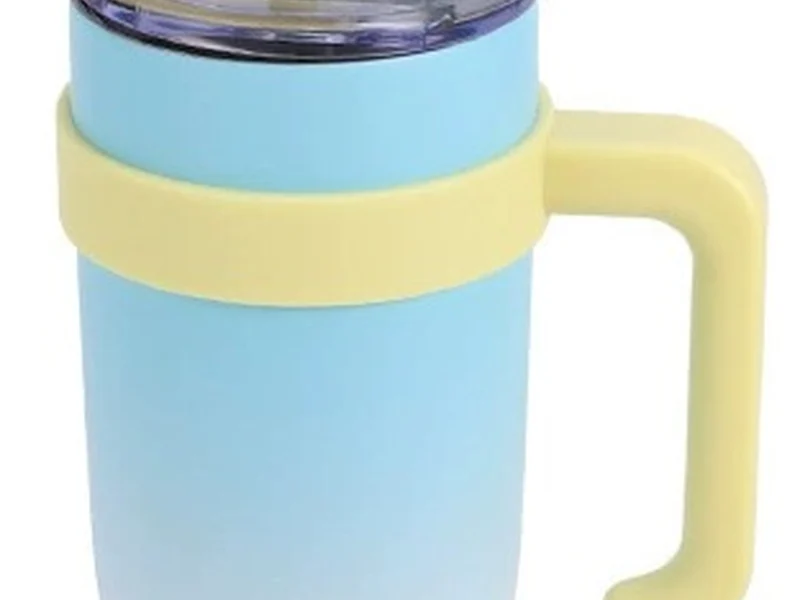
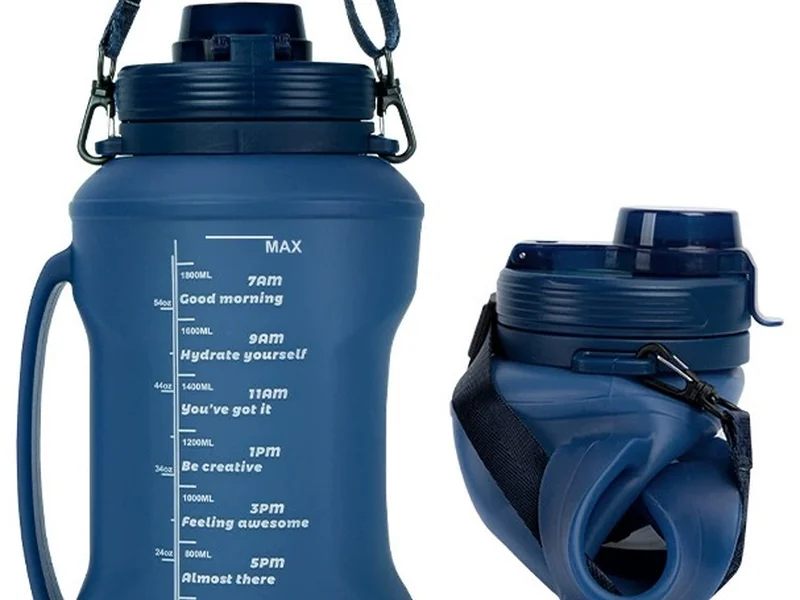
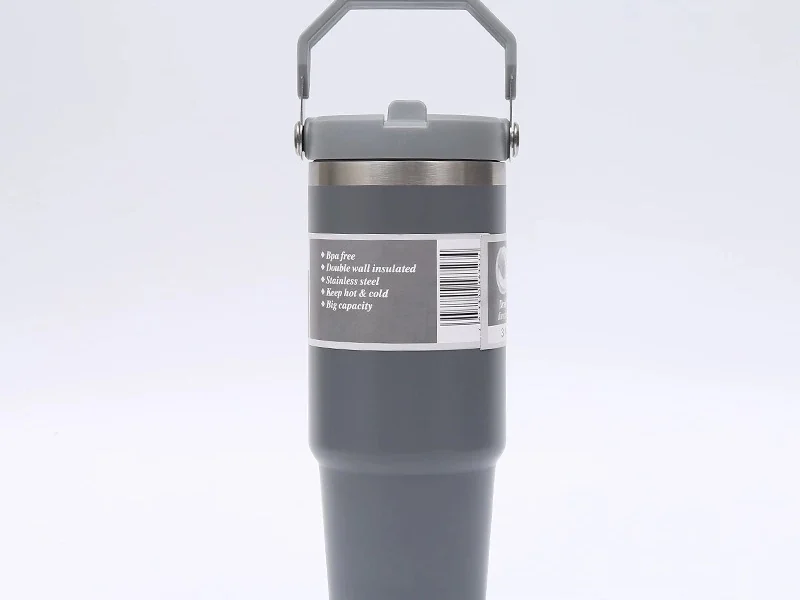
Four grades, photographed on the line that made them.
Material questions

What buyers ask before a sample is moulded

Why does 316 cost more than 304?
Nickel runs 10–14% instead of 8% and the melt adds 2–3% molybdenum, so the coil costs more before a body is drawn. The premium buys chloride resistance, which pays off on salt and citrus rather than plain water.
Is silicone safe for a hot drink?
The body is rated −40 to 230 °C, so hot liquid sits inside its range. The PP lid, the valve and the gasket set the practical ceiling, which is why a hot-fill programme usually moves to double-wall steel.
What separates PP from Tritan?
Both are BPA-free. PP is cheaper, translucent and microwave-safe; Tritan is clearer and tougher on impact, and it is the grade we use when a printed sleeve has to read through the wall. Tritan costs more per body.
Where does a leak usually start?
At the gasket and the thread. A 60–70 Shore A silicone gasket seated in a PP 400-series thread holds; a thread that does not match the neck callout will not. We torque-test every lid batch and stock gaskets as a spare.
How do I check a material claim?
Ask for the steel or resin declaration, then test a production sample in your own lab if your market requires it. We send the grade certificate with the sample and log the steel heat number against the batch.

Ready to price your next water bottle order?

Send your specification, quantity and target market. We reply with a quotation, a sampling date and the carton count within 12 working hours.